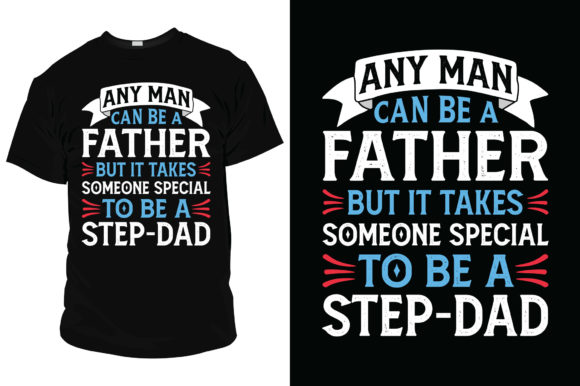
Father's Day T Shirts, Mechanic Dad, Dad
As an embroidery designer and product reviewer, I often find myself evaluating machine embroidery designs for real-world use. The Father's Day T Shirts, Mechanic Dad, Dad design caught my attention not just for its theme but for how it could translate into a variety of practical projects. From custom apparel to personalized gifts, this design has potential—but it also comes with considerations that every embroiderer should be aware of before using it in a client project or handmade business.
The First Impression: A Classic, Lovable Theme
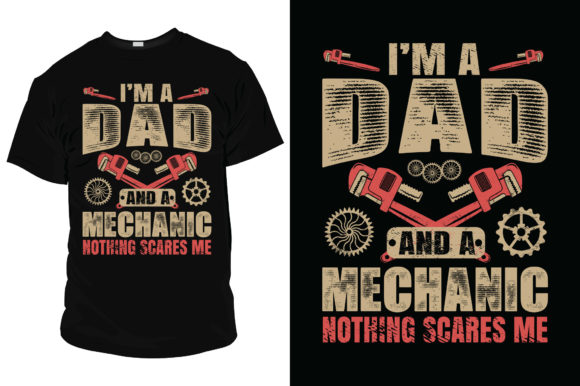
The Father's Day T Shirts, Mechanic Dad, Dad design immediately evokes a sense of nostalgia and warmth. It’s centered around the image of a mechanic dad, which is both relatable and endearing. The layout is clean, with a strong visual presence that makes it ideal for embroidered patches, tote bags, and even baby onesies. The design isn’t overly complex, but it still manages to convey a clear message and personality.
The theme feels right for a Father’s Day gift, especially for dads who love cars, tools, or mechanical work. It’s versatile enough to be used on sweatshirts, t-shirts, and even aprons. The level of detail is appropriate for a design that needs to hold up under stitching without becoming too intricate for standard embroidery machines.
Real-Life Embroidery Performance
When testing the Father's Day T Shirts, Mechanic Dad, Dad design on different fabrics, I found that it performs well on most standard materials. The stitch density is moderate, making it suitable for a wide range of embroidery machines. However, there are some limitations to consider depending on the project type.
For example, if you're planning to use this design on a tote bag design or a sweatshirt embroidery, it will look great. But if you’re working with small hoop sizes, like those used for caps or hats, the design might need some adjustments. The details in the corners and the lettering could become distorted if the hoop is too tight or the design is scaled down too much.
On thin or stretchy fabrics, the design may require additional stabilizer to prevent puckering or distortion. This is especially important when working on baby embroidery or delicate garments where precision matters. For dark fabrics, the thread colors need to contrast well to ensure visibility, and for textured surfaces, the design may lose some clarity.
Where to Use It Carefully
The Father's Day T Shirts, Mechanic Dad, Dad design works best on flat, smooth surfaces. If you're considering using it on a curved surface like a cap or a patch, you’ll want to test it first. The design’s elements—like the tool icons and text—might not sit as nicely on a rounded shape as they do on a flat fabric.
Also, if you’re planning to use this design for commercial embroidery or small shop product lines, make sure to check the licensing terms. While the design itself seems straightforward, the source files (AI and PNG) suggest it’s meant for printable mockups and digital product previews. Always confirm whether it’s licensed for resale or personal use before incorporating it into your offerings.
Impact on Visual Appeal and Customer Perception
This design has a strong visual appeal that can elevate any handmade product or personalized gift. Its simplicity and clear theme make it easy to recognize, which is important for brand consistency and customer trust. When used correctly, it can add value to your craft business or Etsy seller listings by offering a unique, thoughtful option for Father’s Day.
However, if the design is poorly executed—such as with low-quality stitching or mismatched thread colors—it can detract from the overall quality of the finished product. That’s why it’s crucial to test the Father's Day T Shirts, Mechanic Dad, Dad design on scrap fabric before committing to a larger project.
Practical Designer Notes
Here are a few key tips I’ve gathered from working with this design:
- Test the design on scrap fabric first to see how it looks in different conditions.
- Check thread color contrast to ensure visibility on various fabric types.
- Review stitch density to avoid issues with dense areas or running stitches.
- Confirm hoop size to ensure the design fits properly without stretching or distortion.
- Inspect small details like lettering and corners for accuracy.
- Test it in black and white mockups to see how it translates without color.
- Compare light and dark fabric backgrounds to ensure the design remains visible.
- Use proper stabilizer for stretchy or delicate fabrics.
- Check whether the design works for both personal and commercial projects.
- Confirm licensing before selling finished items or digital products.
Final Thoughts: A Useful Design with Considerations
The Father's Day T Shirts, Mechanic Dad, Dad design is a solid choice for a variety of embroidery projects, especially those targeting a family-friendly or nostalgic audience. It’s simple, recognizable, and adaptable to different applications. However, like any design, it requires careful consideration of fabric type, hoop size, and stitching technique to ensure the best results.
If you're an embroidery designer, apparel decorator, or creative entrepreneur, this design could be a valuable addition to your design assets. Just remember to test it thoroughly and tailor it to your specific project needs. With the right approach, it can become a standout piece in your custom apparel or personalized gift collection.