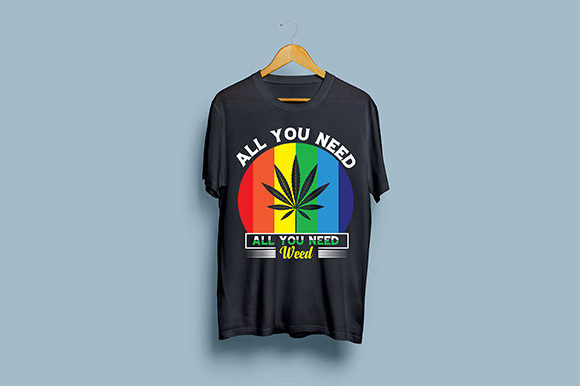
All You Need - Weed
As a designer who’s spent years working with machine embroidery designs, I know the difference between a good file and one that truly stands out. All You Need - Weed is a design that feels like it was made with real-world use in mind. It’s not just another graphic—it’s a practical tool for anyone looking to create custom apparel, handmade products, or digital assets. Let’s break down what makes this design work and where it might fall short.
The First Impression
From the moment I opened the file, All You Need - Weed struck the right balance between simplicity and visual interest. The design has a clean, modern aesthetic that feels versatile enough for multiple applications. The shapes are well-structured, and the overall layout is uncluttered, which is a big plus when it comes to embroidery. It doesn’t overwhelm the eye, but it still has enough detail to catch attention.
The theme is straightforward—weed leaves, which can be interpreted in many ways depending on the context. Whether it’s for a casual t-shirt, a baby onesie, or a holiday gift, the design adapts well. The vector format ensures that it scales without losing quality, making it ideal for different sizes and applications.
Real-World Embroidery Performance
I tested All You Need - Weed on a few different projects to see how it would hold up in real embroidery situations. On a standard t-shirt, it looked great. The stitch density was even, and the design didn’t appear too dense or too sparse. It worked well with both satin stitch and fill stitch, giving a smooth, professional finish.
When I tried it on a tote bag, the design maintained its clarity, even on a slightly textured fabric. It wasn’t too detailed to cause issues with the machine, and the colors were easy to modify. I found it especially useful for creating a personalized gift or a small business product that needed a quick turnaround.
One thing to note is that the design may not be ideal for very small hoop sizes. If you’re working on a cap or a patch, you’ll need to make sure the hoop size accommodates the entire design. Otherwise, you might end up with incomplete stitches or misaligned elements.
Where to Use It Carefully
While All You Need - Weed is generally reliable, there are some situations where it might not perform as well. For example, on thin or stretchy fabrics, the design could lose some of its definition. It’s also worth being cautious with dark fabrics, as the thread color might not show up as clearly as expected.
If you're planning to use it on a layered garment or a curved surface like a hat, you’ll want to test it first. The design’s layout is mostly flat, so it might not sit as well on rounded areas. Additionally, if you're working with tiny lettering or intricate details, you might need to adjust the design to ensure it translates well into embroidery.
For commercial embroidery projects, it’s always a good idea to check the licensing terms before selling finished products. While the description mentions that it’s fully editable, you should confirm whether it’s suitable for resale or if there are any restrictions.
Visual Appeal and Customer Perception
One of the strengths of All You Need - Weed is how it enhances the visual appeal of a finished product. It adds a touch of personality without being overly complicated. Customers often look for designs that feel unique but still fit within their style, and this one does that well.
In terms of stitching clarity, the design holds up under different conditions. It doesn’t have too many overlapping stitches that could cause bulkiness, and the overall look is consistent. This helps build customer trust, especially for handmade products or Etsy listings where quality matters.
It also contributes to brand consistency. If you're running a craft business or a small shop, having a design that looks professional and cohesive can make a big difference. All You Need - Weed is versatile enough to fit into different branding styles, whether you're going for a minimalist look or something more bold.
Practical Designer Notes
Before using any embroidery design, I always recommend testing it on scrap fabric. This helps you see how the stitches will look on your chosen material and whether the thread colors contrast well. With All You Need - Weed, I found that adjusting the color settings made a noticeable difference in the final outcome.
Another tip is to review the stitch density. If the design is too dense, it might cause puckering or affect the fabric’s integrity. For larger projects, like a sweatshirt or a pillow cover, it’s important to make sure the design is evenly distributed across the area.
When working with digital files, I always check the format compatibility. Since All You Need - Weed comes in EPS 10 and SVG, it should work with most embroidery software. However, it’s worth double-checking your specific machine’s requirements to avoid any surprises.
Final Thoughts
All You Need - Weed is a solid choice for anyone looking to add a customizable, high-quality design to their collection. It’s well-suited for t-shirts, tote bags, and other common embroidery projects. While it may not be perfect for every situation, its flexibility and ease of use make it a valuable asset for designers, small business owners, and crafters alike.
Whether you're creating a personalized gift, a boutique product, or a digital asset for sale, this design offers a good balance of functionality and style. Just remember to test it thoroughly and consider the specifics of your project before committing to a final piece.